Source Ergonomic Pneumatic Rivet Nut Gun for Auto, HVAC, and Metal Fabrication
Find 30 ergonomic pneumatic rivet nut gun options from Chinese manufacturers with OEM support and CE certification. Compare models like JT0804 and RS0611k for M3-M12 rivet installation in industrial and DIY applications.
Key considerations
Products List
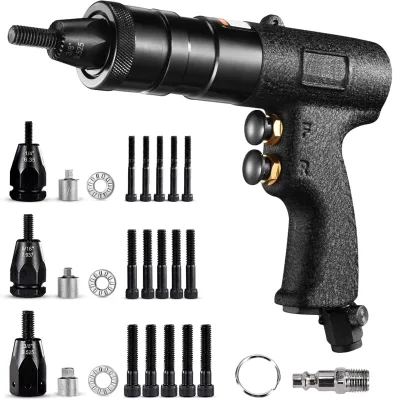


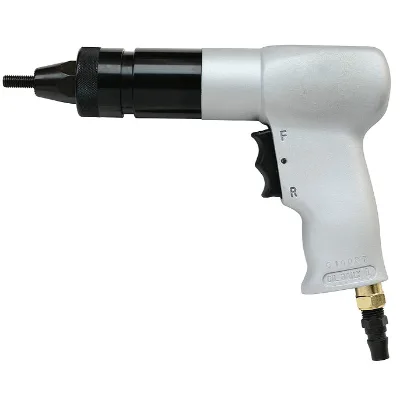
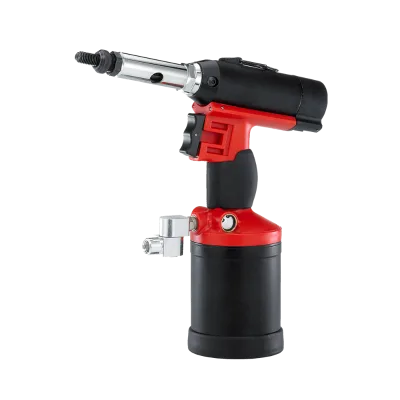
Comprehensive Sourcing Guide
Strategic Sourcing Guide for Ergonomic Pneumatic Rivet Nut Guns
Understanding the Core Technology and Operational Mechanics
When sourcing an ergonomic pneumatic rivet nut gun, buyers must first distinguish between the general category of pneumatic tools and the specific functional requirements of rivet nut installation. The core keyword "ergonomic pneumatic rivet nut gun" implies a tool designed to reduce operator fatigue while delivering consistent mechanical force for fastening. Based on observed product attributes, these devices operate primarily on compressed air, with a standard air supply pressure requirement ranging between 5 and 7 bar. This pressure range is critical for ensuring the tool functions within its designed torque and stroke parameters without risking mechanical failure or inconsistent fastening.
The operational mechanism relies on a specific stroke length, observed in available models as 7mm, which drives the rivet nut into the pre-drilled hole. The tool's ability to rotate is another significant ergonomic factor; models with a 360-degree rotation capability allow operators to maneuver the gun in tight spaces or awkward angles without repositioning the entire workpiece. This feature is particularly valuable in assembly lines where space is constrained. The power source is exclusively pneumatic, distinguishing these tools from electric or manual alternatives. While some listings mention a motor speed of 3500rpm, this attribute often correlates with the internal air motor or feeding mechanism rather than the primary driving force of the rivet nut itself. The air consumption rate is another vital metric for facility planning, with observed values around 70 liters per minute, which helps procurement teams calculate the necessary compressor capacity to support multiple units simultaneously.
Technical Specifications and Material Compatibility
A comprehensive evaluation of technical specifications is essential to ensure the tool matches the specific fastening needs of the application. The primary function of the pneumatic rivet nut gun is to install rivet nuts, typically covering a range from M3 to M12, though some models may be optimized for M3 to M10. The tool must be compatible with the specific material of the rivet nut being installed. Observed data indicates that these tools are designed to handle rivet nuts made from all materials, including aluminum, iron, and stainless steel. However, the working range for these materials varies significantly. For aluminum, the compatible rivet nut diameter range is observed between 2.4mm and 4.8mm. Iron rivet nuts typically fall within a 2.4mm to 4.0mm range, while stainless steel options are generally limited to 2.4mm to 3.2mm.
The physical dimensions and weight of the tool are critical for ergonomic assessment. Heavier tools can lead to operator fatigue during prolonged use. Observed net weights for these devices vary, with some models listed at 1.16kg, others at 2.1kg, and heavier variants reaching 2.52kg. The overall size also impacts maneuverability; standard dimensions observed include a footprint of approximately 280mm by 295mm, with heights varying between 115mm and 140mm depending on the specific model configuration. Some specifications list a total power consumption of 350W, which may refer to auxiliary systems or feeding mechanisms rather than the pneumatic drive itself. The maximum operating radius is another spatial constraint to consider, with observed values of 2 meters, which dictates how far the operator can reach from the air supply connection point. Additionally, the feeding tube length, observed between 1.5 and 2 meters, influences the flexibility of the tool during operation.
Compliance, Certification, and Safety Standards
In the B2B procurement landscape, verifying compliance and certification is a non-negotiable step to mitigate liability and ensure workplace safety. For pneumatic tools sourced from China, the presence of CE certification is a primary indicator of conformity with European health, safety, and environmental protection standards. Observed product listings frequently cite CE certification, and some include ISO certification as well. Buyers must verify that the specific model being purchased holds valid, current certification rather than relying on generic claims. The absence of a specific brand name on some listings (listed as "NA") suggests that many suppliers operate as OEM or ODM providers, meaning the certification is tied to the manufacturing facility rather than a consumer-facing brand.
Safety standards also extend to operational noise levels. High noise exposure can lead to long-term hearing damage for operators. Observed data indicates a noise level of less than 75 decibels (dp), which is a crucial specification for compliance with occupational health regulations in many jurisdictions. Procurement teams should request test reports or certificates of conformity that explicitly validate these noise levels under standard operating conditions. Furthermore, the working range of the tool, observed at 19mm, should be cross-referenced with safety protocols regarding the distance between the operator and the workpiece. The product standard dimensions, such as 330mm330mm140mm or 37x18x42 cm, often relate to packaging or shipping standards rather than the tool's operational safety envelope, but they are essential for logistics planning. Buyers should ensure that the supplier provides documentation confirming that the tool meets the specific safety standards of the destination country, as local regulations may exceed the baseline CE requirements.
Cost Drivers and Procurement Economics
The cost of sourcing an ergonomic pneumatic rivet nut gun is influenced by several variables, including the complexity of the internal mechanism, the materials used, and the level of customization required. The observed price range for these tools is extensive, spanning from $1.80 to $4,000 USD. This wide disparity suggests that the market includes both basic, single-unit tools and highly specialized, automated feeding systems. The lower end of the price spectrum likely corresponds to simple, manual or semi-automatic units, while the higher end may reflect advanced models with integrated feeding tubes, higher efficiency rates, or custom branding.
The Minimum Order Quantity (MOQ) is another significant cost driver. Observed MOQs range from 1 to 100 units. For small-scale operations or pilot projects, suppliers offering an MOQ of 1 are preferable, allowing for risk-free testing of the equipment. However, for large-scale industrial deployments, negotiating an MOQ closer to 100 units may yield better per-unit pricing. The selling unit is typically listed as a single item, but packaging varies. Some models come in a wooden box, which offers superior protection during shipping but adds to the cost and weight. Others are packed in a single export carton or plastic package, which may be more cost-effective for bulk shipping. The customization options, including OEM, ODM, and OBM support, also impact the final cost. Custom branding or specific modifications to the tool's design will inevitably increase the unit price and potentially the lead time. Buyers must balance the initial purchase price against the long-term value provided by durability, efficiency, and ergonomic benefits.
Typical Applications and Industrial Use Cases
The versatility of the pneumatic rivet nut gun makes it suitable for a wide array of industrial applications. The primary usage is to install rivet nuts, which are essential for creating threaded holes in thin sheet metal where welding or tapping is not feasible. The tool's ability to handle various materials, including aluminum, iron, and stainless steel, makes it indispensable in industries such as automotive manufacturing, aerospace assembly, and general metal fabrication. In the automotive sector, the tool is used to install fasteners in body panels, chassis components, and interior trim, where the ability to work with different metal thicknesses is critical.
The ergonomic design is particularly beneficial in high-volume production environments where operators perform repetitive tasks. The 360-degree rotation and lightweight options (as low as 1.16kg) reduce the physical strain on the operator, thereby maintaining productivity and reducing the risk of repetitive strain injuries. The maximum feeding efficiency of 45 pieces per minute is a key performance indicator for high-speed assembly lines. This efficiency is achieved through the integration of feeding tubes, which allow for continuous operation without the need to manually insert each rivet nut. The tool is also suitable for DIY and industrial grades, indicating its adaptability to both professional workshops and smaller-scale repair shops. The specific model numbers, such as JT0804, R40V, and RL-5312K, often correspond to specific configurations optimized for different industries or material thicknesses.
Supplier Evaluation and Quality Control Protocols
Evaluating suppliers for pneumatic rivet nut guns requires a rigorous approach to quality control and supplier verification. Since many suppliers offer OEM, ODM, and OBM services, buyers must ensure that the manufacturing facility adheres to consistent quality standards. The origin of the products is consistently listed as China or China Mainland, which necessitates a thorough vetting process to ensure that the quality matches the specifications provided. Buyers should request detailed product specifications, including the exact model number, material grades, and performance data, to verify that the supplier can meet the required standards.
Quality control should focus on the consistency of the rivet nut installation force, which is observed to be greater than 19.1 kN in some models. This force ensures that the rivet nut is securely fastened without damaging the surrounding material. Buyers should also verify the durability of the tool by checking the warranty terms, which are observed to be 3 years in some listings. A robust warranty indicates the supplier's confidence in the product's longevity. Additionally, the packing standards, such as the use of wooden boxes or export cartons, should be evaluated to ensure that the tools arrive in perfect condition. The supplier's ability to provide customization, such as specific colors or branding, is also a factor in the evaluation process. Buyers should request samples or conduct factory audits to verify the supplier's production capabilities and quality control measures before placing a large order.
Long-Term Procurement and Maintenance Considerations
Long-term procurement strategies for pneumatic rivet nut guns must account for maintenance, spare parts availability, and the total cost of ownership. The air consumption rate of 70 liters per minute and the air supply pressure of 5-7 bar are critical parameters for maintaining the tool's performance over time. Buyers should ensure that their facility's compressed air system is capable of sustaining these requirements without fluctuations that could affect the tool's operation. The feeding tube length and maximum operating radius should also be considered when planning the layout of the assembly line to minimize downtime caused by repositioning or air supply issues.
The warranty period of 3 years provides a baseline for expected product life, but buyers should also inquire about the availability of spare parts, such as seals, nozzles, and feeding mechanisms. The ability to customize the tool through OEM or ODM services can also extend the product's lifecycle by allowing for upgrades or modifications as production needs evolve. Finally, the noise level of less than 75 decibels is a long-term consideration for operator health, and maintaining this level requires regular maintenance and adherence to safety protocols. By focusing on these long-term factors, buyers can ensure that their investment in ergonomic pneumatic rivet nut guns delivers sustained value and operational efficiency.
FAQs
What certifications do ergonomic pneumatic rivet nut guns typically have?
These tools commonly carry CE and ISO certifications to ensure safety and compliance. Buyers should verify that specific models hold valid, current certification rather than relying on generic claims to mitigate liability.
How much does an ergonomic pneumatic rivet nut gun cost?
The price range spans from 1.80 to 4000 USD depending on complexity and features. Lower costs usually cover basic units, while higher prices reflect advanced models with integrated feeding systems or custom branding.
Which materials can the tool install rivet nuts from?
The device handles rivet nuts made from aluminum, iron, and stainless steel. Aluminum ranges from 2.4 to 4.8mm, iron from 2.4 to 4.0mm, and stainless steel from 2.4 to 3.2mm.
Can the tool rotate for better ergonomics in tight spaces?
Yes, models offer 360-degree rotation to allow maneuvering in awkward angles. This feature helps operators work in constrained spaces without needing to reposition the entire workpiece during assembly.
What is the air supply pressure requirement for operation?
Standard operation requires an air supply pressure between 5 and 7 bar. This range ensures the tool functions within designed torque parameters without risking mechanical failure or inconsistent fastening.
How heavy is the typical pneumatic rivet nut gun?
Observed net weights vary from 1.16kg to 2.52kg depending on the specific model. Lighter options help reduce operator fatigue during prolonged use in high-volume production environments.
What is the maximum feeding efficiency of the tool?
The maximum feeding efficiency reaches 45 pieces per minute with integrated feeding tubes. This high speed supports continuous operation on assembly lines without the need for manual insertion of each rivet nut.